How to Protect Your Property from Frost Damage This Winter
Winter can be one of the most damaging seasons for residential properties, particularly during periods of prolonged cold, frost, or sudden temperature drops. Without the right precautions, frost damage can lead to burst pipes, boiler failures, damp issues, and costly repairs.
At Twenty20 Estates, we regularly support landlords and homeowners in preparing their properties for winter. This guide explains how frost damage occurs, what areas of a property are most at risk, and the practical steps you can take to protect your investment during the colder months.
Understanding Frost Damage in Properties
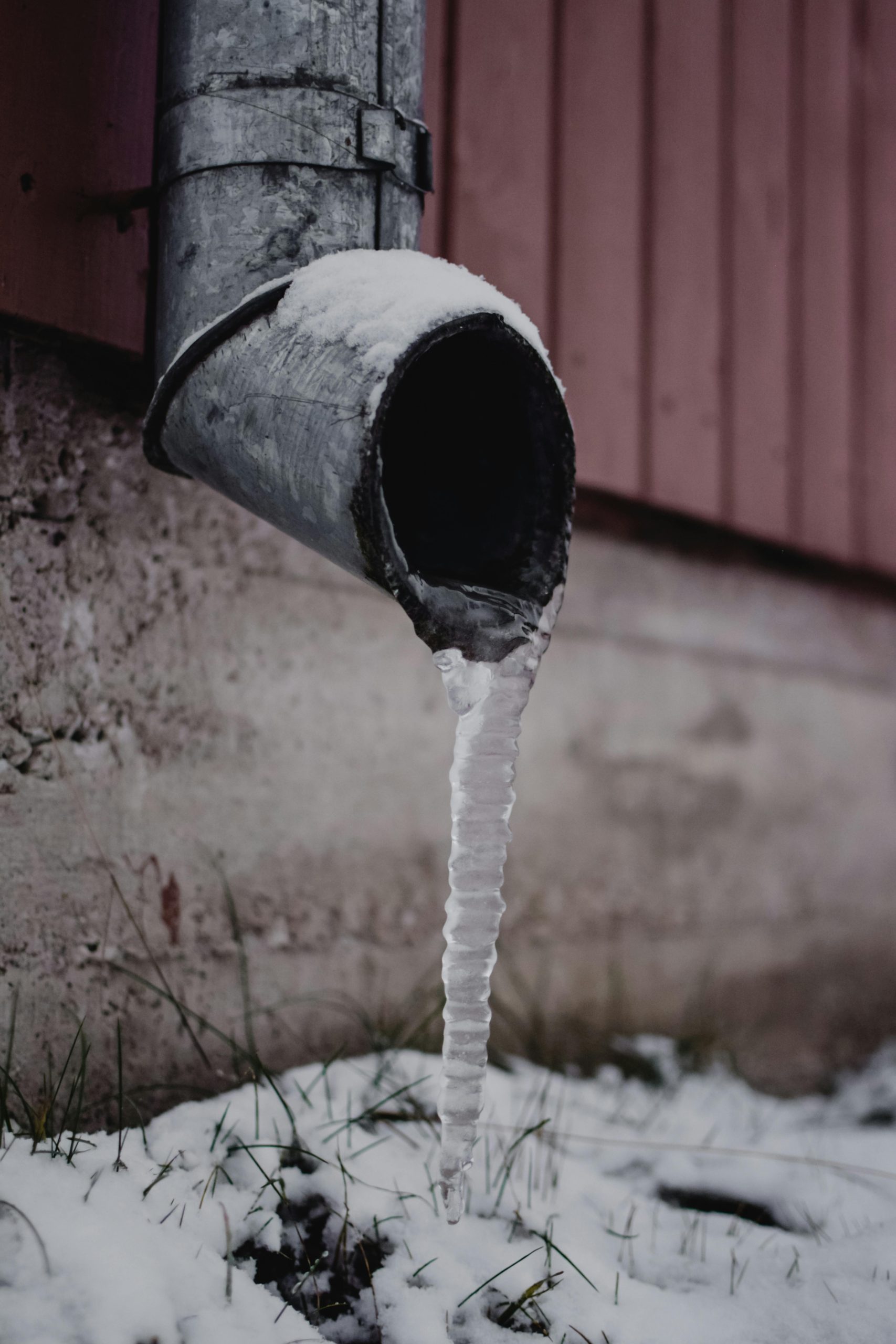
Frost damage typically occurs when temperatures fall below freezing and water inside pipes, systems, or building materials expands. This expansion places pressure on plumbing and fixtures, often causing cracks or bursts that may not be immediately visible. The real issue arises when temperatures rise again. Leaks become apparent, flooding can occur, and repair costs escalate quickly. Properties that are vacant or poorly insulated are especially vulnerable.
Protecting Your Plumbing and Water Systems
Frozen and burst pipes are among the most common winter-related issues. Pipework located in lofts, basements, garages, and external walls is particularly exposed to cold temperatures. Insulating pipes with proper lagging significantly reduces the risk of freezing. It is also important to know where your stopcock is located and ensure it is working correctly so the water supply can be shut off quickly in an emergency. For properties that may be left empty during winter, setting the heating to a low, consistent
temperature can prevent pipes from freezing altogether.
Heating Systems and Boilers
A boiler breakdown during winter can result in frozen systems and serious water damage. Boilers should be serviced before winter to ensure they are operating efficiently and safely. Radiators should be checked and bled if necessary, and thermostats tested to confirm they are responding correctly. Tenants should also be given clear instructions on how to operate the heating system properly.
Roofs, Gutters, and External Areas
Blocked gutters are a common cause of frost-related damage. When water cannot drain properly, it can freeze, expand, and damage guttering, brickwork, and roof edges. Clearing leaves and debris before winter reduces this risk. Roof tiles should also be checked for cracks or movement, as freezing conditions can worsen existing damage.
Managing Condensation, Damp, and Mould
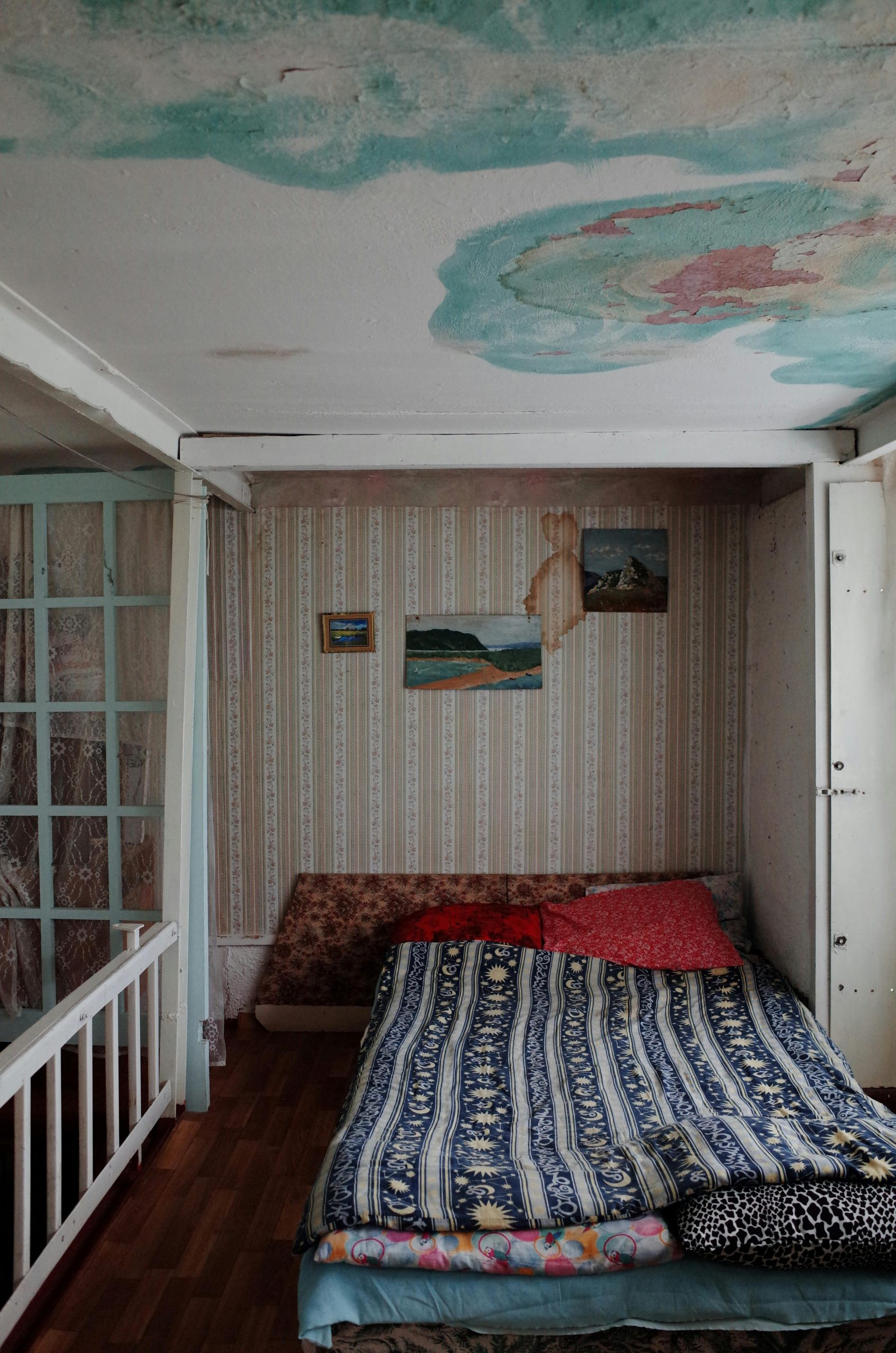
Cold weather often leads to increased condensation inside properties, especially where ventilation is limited. Excess moisture can cause damp and mould, which may damage the property and affect health. Maintaining steady heating, using extractor fans, and ensuring adequate ventilation helps control moisture levels and prevent condensation build-up.
Vacant Properties and Winter Risk
Vacant properties face a higher risk of frost damage due to lack of heating and regular use. If a property will be empty during winter, it is advisable to maintain low-level heating, shut off the water supply where possible, and arrange periodic inspections.
Landlord Responsibilities During Winter
Landlords have a duty to ensure rental properties remain safe and habitable throughout winter. This includes maintaining heating systems, preventing damp and addressing structural issues promptly. Clear communication with tenants about winter care, emergency contacts, and maintenance procedures is essential.
How Twenty20 Estates Can Help
Twenty20 Estates supports landlords with winter inspections, maintenance coordination, boiler servicing arrangements, and tenant communication. Our proactive approach helps prevent avoidable damage and ensures properties remain protected during colder months.
Final Thoughts
Frost damage can often be prevented with the right preparation and regular oversight. By acting early, landlords and homeowners can protect their property, avoid costly repairs and enjoy peace of mind throughout winter.